Fuck You, FOSTA/SESTA - How Online Platforms Are Reclaiming Freedom for Adult Workers

FOSTA/SESTA didn’t shut down sex work. It just pushed it deeper into the shadows-and made life harder for the people who actually depend on these platforms to survive. The law, passed in 2018 under the guise of protecting women, ended up criminalizing the tools that sex workers used to screen clients, share safety tips, and earn a living without street-level risks. Now, in 2025, the fallout is clear: platforms like Craigslist, Reddit, and Backpage are gone. So are the forums, the private groups, the vetted networks. And what replaced them? A mess of encrypted apps, cash-only meetups, and predatory middlemen who take 50% or more of what you earn. If you’re trying to work safely online, you’re either broke or scared-or both.
Some people still find ways to connect. For example, if you’re looking for discreet companionship in Europe, euro escort paris services operate under different legal frameworks where consent and autonomy are treated as rights, not crimes. That doesn’t mean everything’s perfect there-but at least the workers aren’t being hunted by U.S. law enforcement just for posting a photo online.
What FOSTA/SESTA Really Did
FOSTA/SESTA stands for the Fight Online Sex Trafficking Act and the Stop Enabling Sex Traffickers Act. On paper, it was meant to target traffickers. In practice, it gave platforms a legal excuse to delete anything that even looked like adult content. No more ads. No more profiles. No more messages between consenting adults. Even non-sexual content-like a dancer sharing her schedule, a model posting portfolio photos, or a therapist offering support to sex workers-got wiped out overnight. The law didn’t distinguish between coercion and consent. It didn’t care if you were working alone, from your apartment, and choosing your own hours. If your content could be interpreted as "promoting prostitution," it was gone.
According to a 2020 study by the Urban Institute, 86% of sex workers who relied on online platforms reported a drop in income after FOSTA/SESTA. Nearly half said they had to return to street-based work. And guess what? Street work is where most violence happens. The law didn’t reduce trafficking. It just made it harder for victims to reach help-and easier for predators to operate unseen.
The Global Divide
While the U.S. doubled down on censorship, other countries took a different path. In Germany, the Netherlands, and parts of France, sex work is regulated, not banned. Workers can register, get health checks, pay taxes, and report abuse without fear of arrest. In France, for instance, advertising escort services is technically illegal-but enforcement is inconsistent, and many workers operate through private networks or trusted agencies. That’s where you’ll find escort girl france listings that focus on safety, clarity, and mutual respect. They don’t need to hide behind coded language or emoji. They can say what they do, where they are, and how to book-without risking jail time.
The contrast is stark. In the U.S., you can’t post a photo of yourself holding a sign that says "Available for company." In Paris, you can post a simple profile with your rates, availability, and boundaries-and no one will shut down your website. The difference isn’t morality. It’s policy. And it’s making a real difference in people’s lives.
How Platforms Got Scared
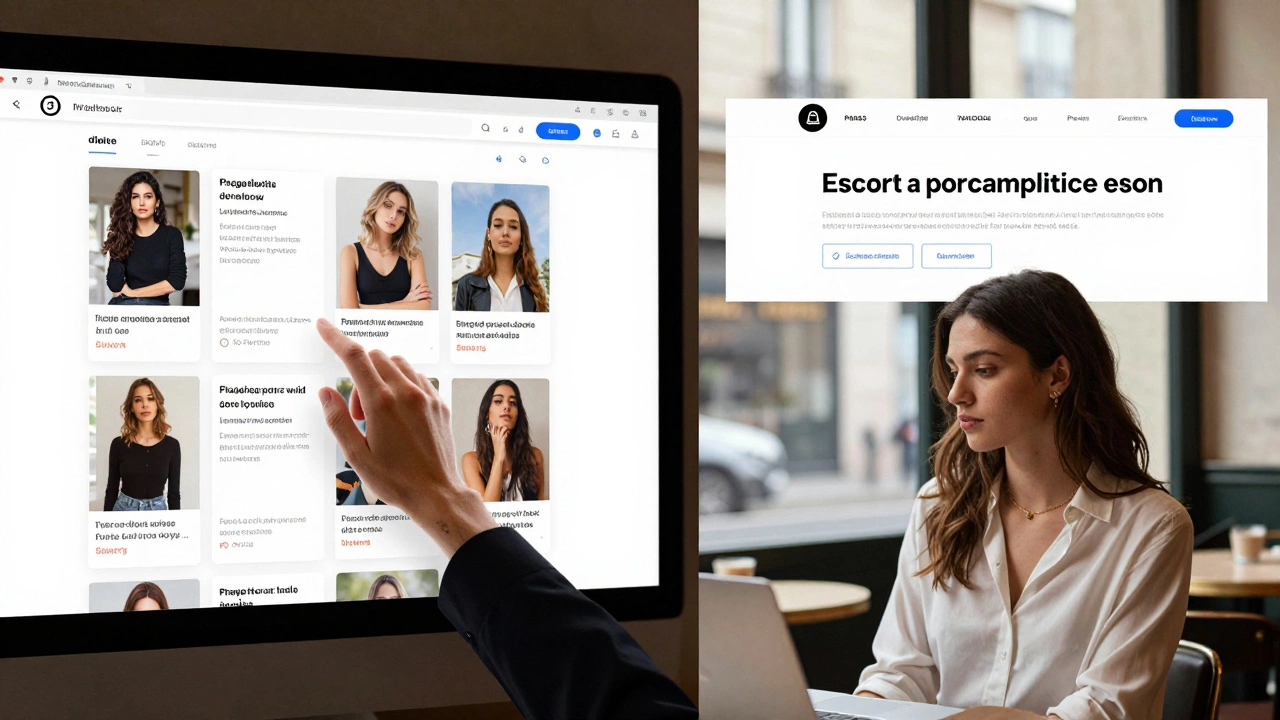
Big tech didn’t wake up one day and decide to censor sex workers. They were scared. FOSTA/SESTA made platform owners criminally liable for user content. That meant Facebook could be sued if someone posted an ad that even looked like prostitution. So they deleted everything. All of it. Even content that had nothing to do with sex work. Nude art? Gone. Body positivity blogs? Deleted. Even educational content about consent and safe sex got caught in the purge.
Instagram started shadowbanning accounts with the word "escort" in the bio. Twitter locked users who mentioned "sex work" in their tweets. TikTok banned videos with the hashtags #sexworker or #escortlife. The message was clear: if it’s even remotely connected to adult services, don’t touch it. And if you do, you’re risking your entire company.
What’s worse? The same platforms that deleted these accounts still allow influencers to post photos of themselves in lingerie, sell sexualized products, or promote "NSFW" content under the guise of "art" or "fashion." The double standard is obvious. Sex work is criminalized. Sexualized imagery? That’s just marketing.
Who’s Really Getting Hurt
It’s not the traffickers. They were never using Craigslist ads. They were operating in the shadows long before FOSTA/SESTA. The people getting hurt are the single moms working nights to pay rent. The transgender youth using online platforms to avoid homelessness. The immigrants who don’t speak English well enough to navigate traditional jobs. The artists who use nudity as part of their creative expression. The people who just want to earn money on their own terms without being labeled criminals.
One woman in Ohio told me she used to make $3,000 a month working online. After the crackdown, she had to take two minimum-wage jobs and still couldn’t afford her daughter’s asthma medication. She’s not a statistic. She’s real. And she’s not alone.
What’s Changing Now
There’s a quiet rebellion happening. In 2024, a coalition of sex worker organizations filed a federal lawsuit challenging FOSTA/SESTA as unconstitutional. They’re arguing it violates free speech and equal protection under the law. The case is still pending, but judges are starting to question whether the law actually helped anyone.
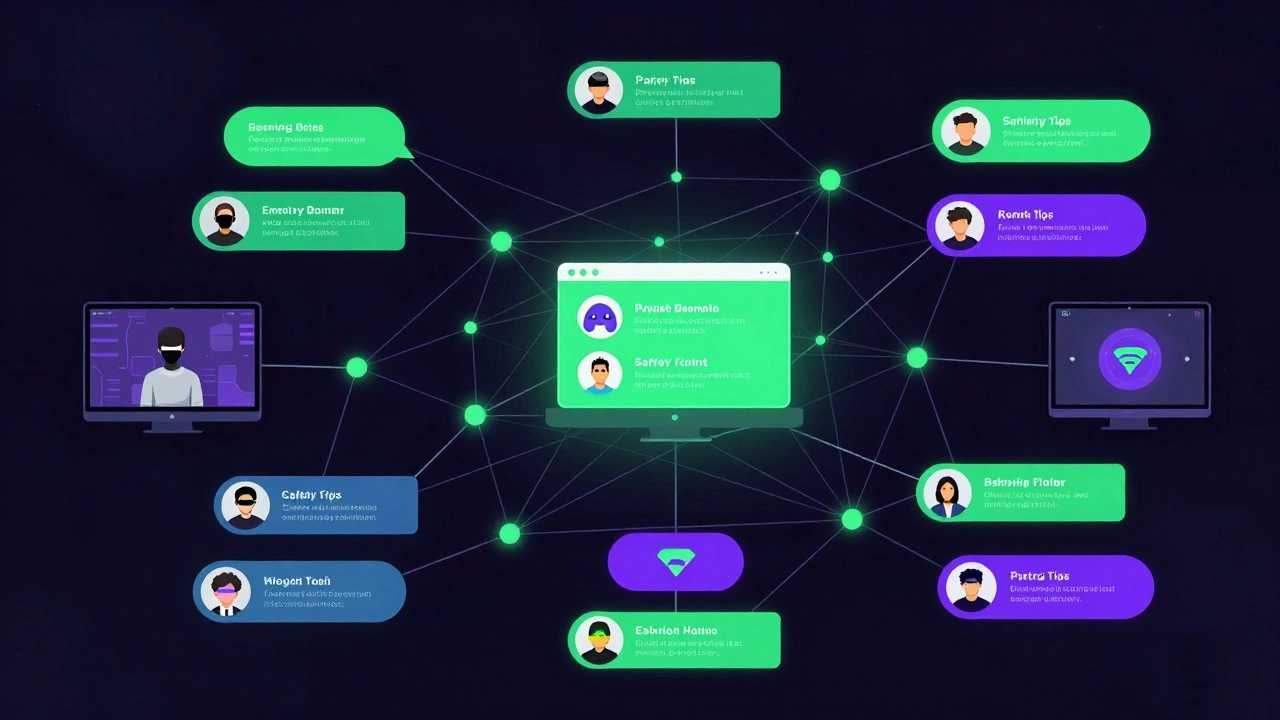
Meanwhile, new platforms are popping up-not the big ones, but decentralized, community-run networks. Think Mastodon, Matrix, and private Discord servers where users moderate themselves. These aren’t perfect. They’re slow. They’re small. But they’re safe. And they’re growing. Workers are learning to use encrypted messaging apps, pseudonyms, and crypto payments to stay off the radar of U.S. regulators.
And in Europe? The market is adapting. You’ll find escorte a paris services offering transparent pricing, verified reviews, and clear boundaries. No hidden fees. No pressure. No fear of being arrested for posting a photo. That’s not a loophole. That’s policy done right.
What You Can Do
If you believe in bodily autonomy and free speech, you can help. Donate to groups like the Sex Workers Project at CUNY or the Global Network of Sex Work Projects. Follow activists on social media who are pushing for decriminalization. Speak up when you hear someone say "all sex work is exploitation"-because that’s not true for everyone. And if you’re a platform owner? Stop deleting content just because it makes you uncomfortable. Ask: Who does this hurt? Who benefits?
FOSTA/SESTA didn’t make the world safer. It just made it quieter. And silence doesn’t protect people. It hides them.